
About Q Station
“We stand today on this land, now known as North Head. It is Car-rang gel / Garangal, saltwater country. May we always be respectful of the knowledge borne of the Aboriginal custodianship of this land and the continuing connection to the land, waters, and sky. We honour the presence of the ancestors who reside in the living memory and practice of this land and pay our respects to their Elders – past, present and emerging.“
Sprawled across the hillside on the edge of Sydney Harbour, the historic Quarantine Station has a remarkable setting in Sydney Harbour National Park and an equally remarkable history. Its transformation from a place of often harsh quarantine into today’s Q Station is a story of survival, adaptation and sustainability. The site is now listed on both the State and Commonwealth heritage registers as an integral part of North Head and its Aboriginal, natural and cultural significance.
A place of outstanding natural beauty, North Head is home to diverse flora and fauna. Endangered populations of eastern long-nosed bandicoots, little penguins, sunshine wattle and Eastern Suburbs Banksia Scrub all live among the buildings of the Quarantine Station.
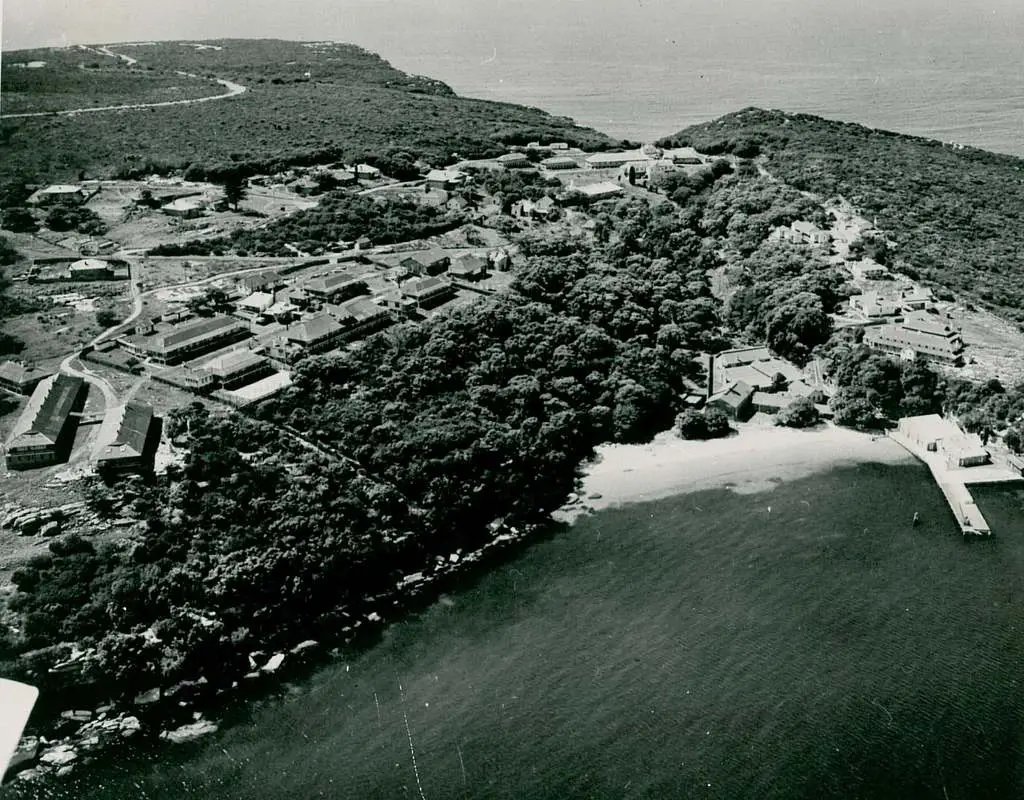
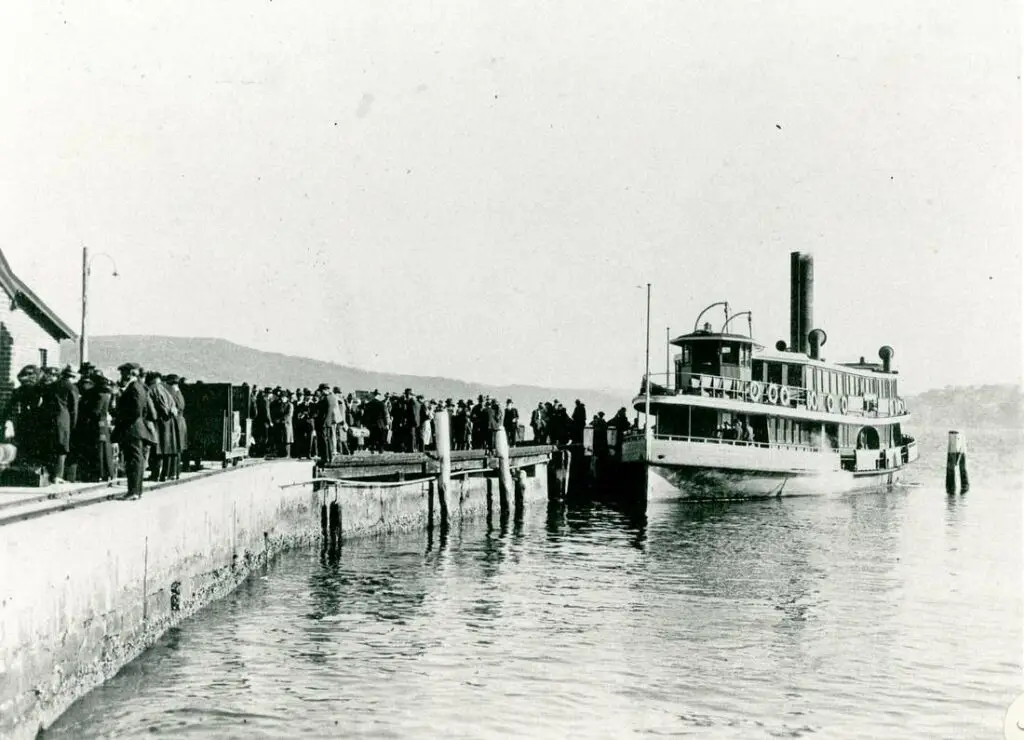
North Head is also part of the long history of Aboriginal occupation of Sydney Harbour. Although recorded knowledge of the Aboriginal presence on the Manly peninsula is limited, one of the local clans associated with North Head (a tidal island known as Car-rang gel) was the Gayimai. Car-rang gel was an important ceremonial site used by the Koradgee (the wise ones) of the associated clans of the Northern Beaches, and a place of significant teaching and ceremonial practice.
Some of the earliest contact between Aboriginal clans and British colonists took place here. On 29 January 1788, just three days after the First Fleet arrived in Port Jackson, Captain Hunter and Lieutenant Bradley landed on Quarantine Beach during an initial survey of Sydney Harbour.
After the Quarantine Station closed as an operational maritime quarantine facility on 16 March 1984, ownership passed from the Commonwealth to the NSW Government, and the site was reserved as part of Sydney Harbour National Park. The National Parks and Wildlife Service (NPWS) set up guided tours and a conference and functions centre.
Despite considerable work by NPWS in its first ten years managing the site, many buildings and parts of the surrounding cultural landscape fell into disrepair. During the 1990s, NPWS recognised that it could not raise enough funds to stop the decline, and that private investment through more creative and direct use of the site was essential to its long-term conservation.
In 2006, Mawland Group signed a lease with NPWS, and in 2022 the lease was transferred to North Head Sydney Pty Ltd. North Head Sydney’s plans for the site will ensure it continues to receive the respectful conservation it deserves.
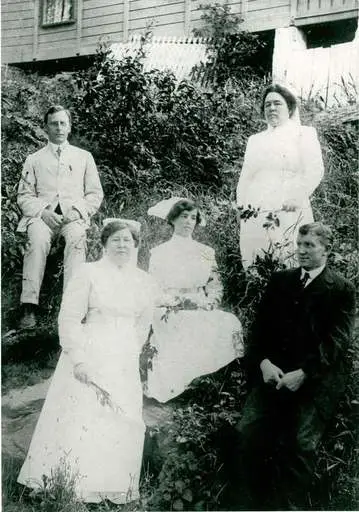
Set on a 33-hectare site on North Head in Manly, Q Station is a destination like no other. Once the Quarantine Station for migrants arriving in Australia, this enduring part of Sydney’s history can now be experienced 365 days a year. Located in Sydney Harbour National Park, Q Station offers a wide range of experiences for day visitors and overnight guests. These include hotel accommodation, unique indoor and outdoor venues for events, conferences and weddings, and tours and educational programs, including our well-known after-dark tours, all with direct access to Sydney Harbour and the Australian bush. Our restaurants and bars cater for everything from a light snack to a gourmet dining experience.
We’re very proud of our heritage at Q Station, and our buildings have been carefully conserved to keep their original character. The iconic yellow paintwork, heavy window panes and high ceilings are all part of the experience.
To keep everyone safe and protect native wildlife, vehicle access on site is limited to Q Station vehicles. Free parking is available at our reception entrance, and we encourage guests to explore on foot or use our complimentary 24/7 shuttle bus. Please take care on inclines, steps and uneven ground. Sturdy, comfortable footwear is required, and heels are not recommended. While we maintain safe walkways, the natural landscape and historic structures can be challenging, so watch your step and use handrails where available.
Lighting is limited at night due to national park restrictions. You’re welcome to use your phone’s torch, but please stay within well-lit areas such as the main accommodation zones. Please don’t approach or feed the wildlife, as they are part of the park’s natural environment.
To protect the site and keep it safe, members of the public cannot bring BBQs, alcohol, animals, glass, stereo systems or takeaway food onto the site or beach.
Q Station is committed to heritage preservation and sustainability. We reduce plastic use, provide reusable items and encourage recycling throughout the site, to protect the environment and preserve its natural beauty for future generations.
Our hotel rooms are the original accommodation where people arriving in Australia for the first time once stayed. In keeping with our heritage, the accommodation is still divided into first, second and third class. The former staff quarters are now cottages, ideal for small groups and families. Because heritage restrictions limit changes to the buildings, the rooms do not have air conditioning. All rooms do have ceiling fans, plus heating for the cooler months.
Whether you’re after a truly unique experience you can’t get anywhere else, or an educational and fun day outdoors, Q Station is the perfect place for you.


Oral History
The Quarantine Station has had a long and extremely varied history as a site of special significance in Australia. We encourage those who have a connection to the site to share their or their families’ experiences of living and/or working on the site with us, to ensure its ongoing legacy.
What is it?
Oral history is the systematic collection of living people’s testimony about their own experiences. Oral history is not folklore, gossip, hearsay or rumour.
Why is it important?
Q Station is working to redefine the full story of the Quarantine Station which was never thoroughly recorded. The real record of history is found in the lives of the ordinary people who lived it. Collecting, preserving and sharing oral histories not only transmits knowledge from one generation to the next, but allows us a sense of catching and holding something valuable from the receding tide of the Quarantine Station’s past.
How can you be involved?
If you know anyone who may have a connection to the site, please encourage them to contact us and tell their story. Submissions can be accepted by post, online, email (experience@qstation.com.au) or phone (02 9466 1500). Submissions may be followed up with a recorded interview, to be kept within the Heritage Collection.
Submit Your Story
Quarantine Station Conservation and Management
Q Station operates under approvals from NPWS and Heritage NSW within a tight regulatory management framework. This includes
· Conservation Management Plans
· Environmental and Heritage Management plan
· Annual Reporting
· Quarterly Quarantine Station Community Consultative Committee (QSCCC) meetings
The QSCCC was established to assist with the conservation and management of the site and plays an important role in ensuring Q Station engages with the community and stakeholders. The committee is not a decision making or regulatory body: it performs an advisory and consultative role. Government agencies remain responsible for ensuring proponents comply with statutory obligations. Members of the committee contribute their expert knowledge and experience to inform management and achieve conservation outcomes. Members are highly valued for their advice on policies and plans, activities and proposed activities, and for their input into draft plans of management.
If you require further information about the Quarantine Station plans and reports or copies of QSCCC meeting minutes, please contact interpretation@qstation.com.au